


Why Your Proposals Keep Losing to Faster Competitors
I've been watching small business owners lose bids for the same reason for two decades now. It's not that their work is worse. It's not that their prices are too high. It's that by the time they finish crafting a thoughtful proposal, someone else already landed the job.
The math is brutal. You spend 5 hours writing a proposal. Your competitor spends 30 minutes. They submit three bids while you're still polishing your first one. Even if your proposal is 20% better, you're competing for 70% fewer opportunities.
Here's the part nobody talks about: the client usually can't tell the difference between a 5-hour proposal and a well-crafted 30-minute one. They're comparing your response time, your understanding of their problem, and your professionalism. All of which can come from software that learns from your best work. Hold that thought—I'll show you how this works in a moment.
What Is an AI Proposal Generator?
An AI proposal generator is software that writes business proposals for you. You feed it information about the opportunity—what the client needs, your relevant experience, your pricing—and it produces a professional document ready to send.
Think of it like having a proposal writer on staff who memorized every successful bid you've ever sent. They know which case studies resonate with which industries. They remember the exact phrasing that won your biggest contracts. They work at 2 AM when an RFP drops with a Monday deadline.
Over 200 companies now use tools like AutogenAI for this purpose. Proposal Genie alone has been used by more than 50,000 freelancers to generate proposals. This isn't experimental technology—it's becoming standard equipment for competitive small businesses.
How Does AI Proposal Writing Actually Work?
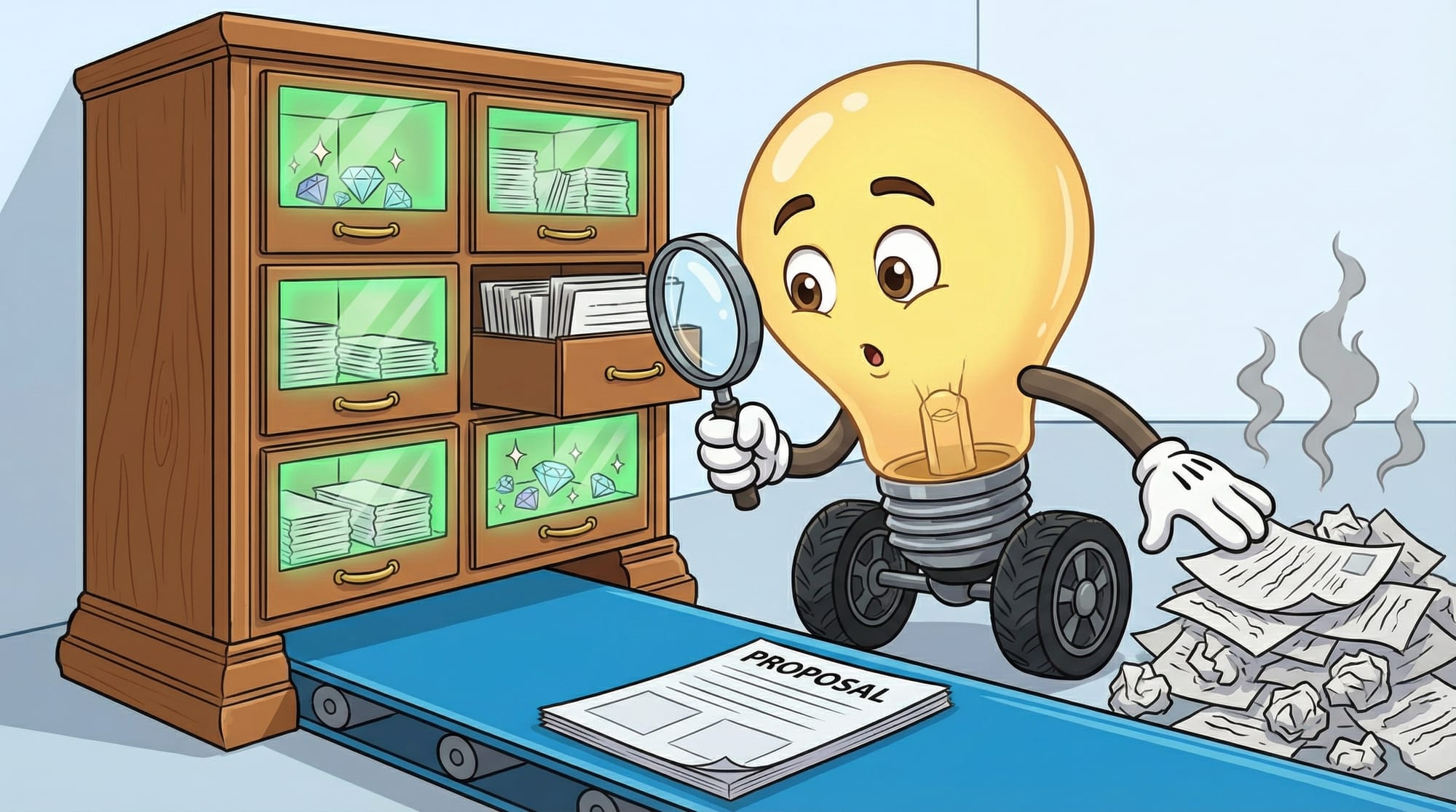
The software connects to your company's knowledge—your best previous proposals, case studies, service descriptions, and pricing structures. When a new opportunity comes in, it doesn't start from scratch. It assembles relevant pieces from your proven content.
Here's the workflow most tools follow:
- You paste in the job posting or RFP details
- The AI identifies what the client actually needs (sometimes better than humans who skim)
- It pulls relevant experience, case studies, and language from your content library
- It generates a complete proposal matching the client's requirements to your capabilities
- You review, adjust anything that doesn't fit, and send
The quality depends entirely on what you feed it. A clean, organized library of your best work produces proposals that sound like you on your best day. A messy library produces generic-sounding garbage that loses bids.
The Proposal Speed Framework
After watching dozens of small businesses adopt these tools, I've identified three levels of AI proposal integration. Where you start depends on your proposal volume and how much customization your industry requires.
**Level 1: AI-Assisted Drafting.** You write proposals yourself but use AI to generate first drafts. Time savings: 50-60%. Best for businesses sending 2-5 proposals per month where each one requires significant customization.
**Level 2: AI-Generated with Human Review.** The software writes complete proposals. You spend 10-15 minutes reviewing and adjusting before sending. Time savings: 80%. Best for businesses sending 5-20 proposals per month with relatively standardized offerings.
**Level 3: Automated Pipeline.** AI generates, personalizes, and in some cases sends proposals with minimal human touch. Time savings: 90%+. Best for high-volume situations like freelance platforms where you're bidding on 50+ opportunities monthly.
Most small businesses should start at Level 2. You get the time savings without losing the human judgment that catches embarrassing errors or tone-deaf suggestions.
Why Generic Templates Don't Win Bids Anymore
Here's what I promised to explain earlier—the reason speed matters more than it used to.
Ten years ago, you could win bids with a template. Swap out the company name, adjust the pricing, hit send. Clients expected some genericness because customization was expensive and time-consuming.
Now your competitors can generate highly personalized proposals in under a minute. That generic template you've been recycling since 2019? It's competing against proposals that specifically address the client's stated challenges, reference their industry, and include relevant case studies—all generated in 30 seconds.
The tools report an 85% success rate versus 15% for manual proposals. That number deserves skepticism—it's from a vendor's website. But even if the real improvement is half that, you're looking at a 2-3x advantage for businesses that adopt this approach.
The uncomfortable truth: while you're copying and pasting from old proposals, your competitors are already in the client's inbox with something that looks custom-written for that specific opportunity.
What Can Go Wrong With AI Proposal Tools
I'd be lying if I said these tools are foolproof. Here's what actually breaks:
**The confident hallucination problem.** AI writes with authority even when it's making things up. I've seen proposals claim the company has '15 years of experience in blockchain' when the company is 8 years old and has never touched blockchain. You cannot skip the review step.
**The tone mismatch.** Different industries expect different proposal styles. A proposal that sounds perfect for a tech startup sounds stuffy to a construction company and too casual for a law firm. The AI doesn't always calibrate correctly for your target client.
**The copy-paste evidence problem.** If your content library includes proposals that themselves contained errors, the AI will confidently reproduce those errors. It's amplifying your mistakes, not just your successes.
How to Choose the Right AI Proposal Writer for Your Business

Not every tool fits every business. Here's what actually matters when evaluating options:
- **Content library quality:** Can you easily import your existing proposals, case studies, and pricing? If setup takes 40 hours, you'll never finish it.
- **CRM integration:** Does it connect to where your leads already live? Manual data entry defeats the speed advantage.
- **Industry fit:** Some tools specialize in freelance platforms, others in enterprise RFPs. A tool built for Upwork proposals won't help you respond to government contracts.
- **Output customization:** Can you adjust tone, length, and format? Or are you stuck with whatever template the vendor chose?
- **Security:** You're uploading pricing, client names, and competitive intelligence. Where does that data go? Who can see it?
For most small businesses, I'd recommend starting with a tool in the $50-200/month range. That's the sweet spot between capability and affordability. Free tools exist but typically lack the content library features that make AI proposal writing actually useful.
If you're exploring how AI tools can boost your revenue growth strategy, proposal automation is one of the highest-impact starting points. Unlike marketing automation that takes months to show results, faster proposals can win you business this week.
Signs Your AI Proposal Generator Is Working
How do you know you picked the right tool and set it up correctly? Track these indicators:
- Proposal turnaround time drops from hours to under 30 minutes
- Your response rate to opportunities increases (you're bidding on more jobs)
- Win rate stays stable or improves (faster isn't costing you quality)
- Time spent on proposals shifts from writing to reviewing and customizing
- You start responding to opportunities you would have skipped before
The users who see the biggest gains—AutogenAI reports 12.4% revenue growth among their customers—aren't just writing faster. They're writing more. The time savings translate directly into bidding on opportunities they previously couldn't pursue.
Your First Week With AI Proposal Writing
Here's exactly how to get started without overwhelming yourself:
- **Day 1-2: Gather your best proposals.** Find your 5-10 most successful bids from the past year. These become the foundation of your content library.
- **Day 3: Choose a tool and sign up.** If you're sending fewer than 10 proposals monthly, start with a basic plan ($50-100/month). If more than 10, consider a mid-tier plan with CRM integration.
- **Day 4: Upload your content.** Import those winning proposals, plus any case studies, testimonials, and service descriptions you have.
- **Day 5: Generate your first AI proposal.** Pick a real opportunity. Generate the proposal. Don't send it yet—compare it against what you would have written manually.
- **Day 6-7: Refine and iterate.** Identify what the AI got wrong. Add missing content to your library. Generate a second proposal and compare again.
Budget $100-200 for your first month including the tool subscription and about 5 hours of setup time. If you're currently spending 20+ hours monthly on proposals, you'll recoup that investment within 30 days.
What Most Business Owners Get Wrong About AI Proposals
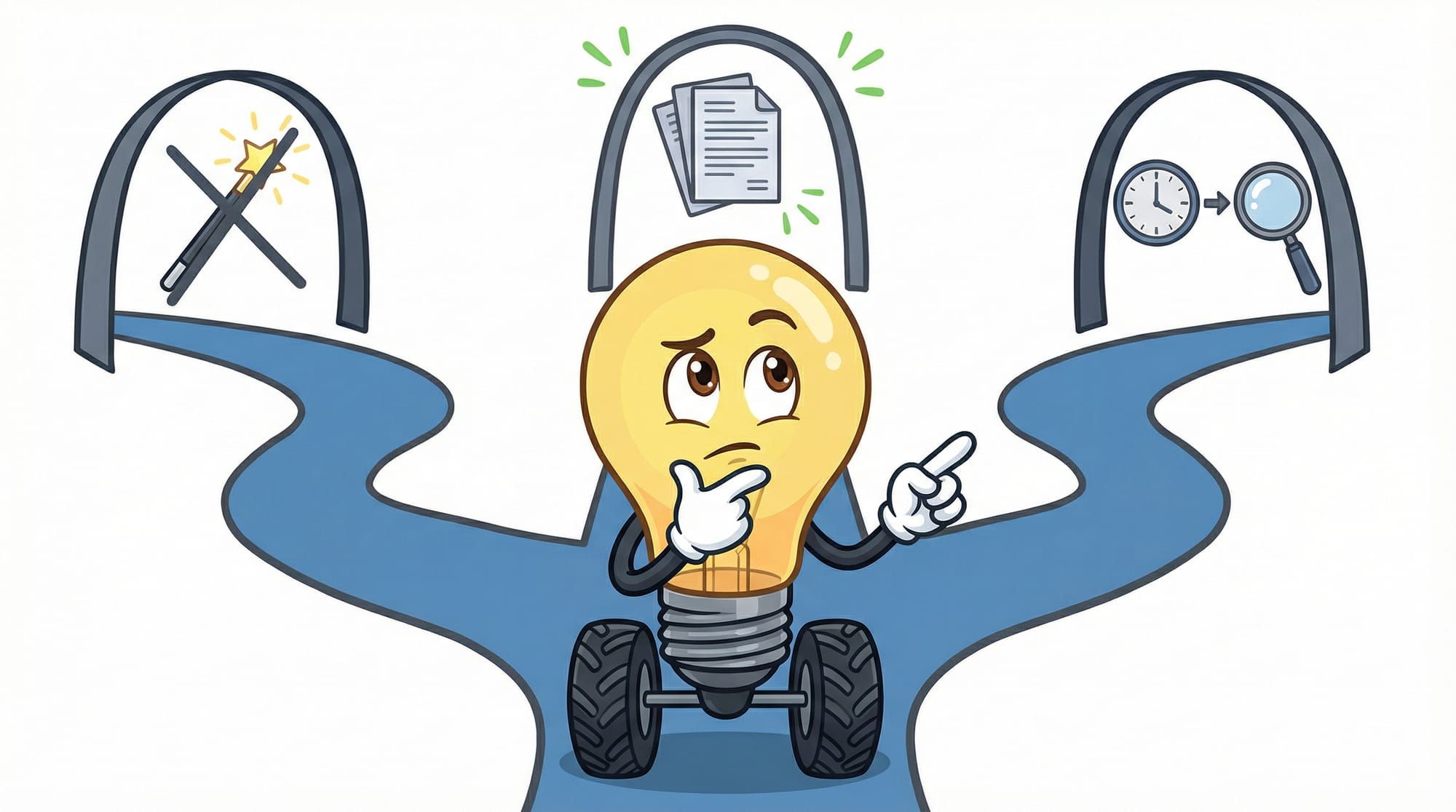
- **Treating it as a replacement, not an assistant.** The best results come from human expertise augmented by AI speed. Skip the review step and you'll send embarrassing errors to clients.
- **Expecting magic from a messy library.** If your past proposals were mediocre, your AI proposals will be mediocre. The tool amplifies what you feed it.
- **Underestimating the time shift.** You're not eliminating work—you're moving it from writing to reviewing. The first month requires more attention, not less, as you calibrate the tool.
- **Ignoring industry-specific needs.** A proposal for cleaning services requires different language than a proposal for IT consulting. Make sure your tool understands your industry.
- **Forgetting security.** You're uploading competitive intelligence. Ask where your data is stored and who can access it before trusting a vendor.
Frequently Asked Questions
How much does an AI proposal generator cost?
Most tools range from $20-300/month depending on features and volume. Basic tools for freelancers start around $20-50/month. Full-featured platforms with CRM integration and content libraries run $100-300/month. Enterprise solutions can exceed $500/month but typically include team features small businesses don't need.
Can AI proposals work for government contracts and RFPs?
Yes, but with caveats. Government RFPs have strict formatting requirements that generic tools don't always handle. Look for tools specifically designed for RFP response management. They're more expensive but include compliance features that prevent disqualification over formatting errors.
Will clients know my proposal was AI-generated?
Not if you review it properly. AI-generated text that goes unreviewed often has tells—awkward phrasing, generic claims, factual errors. A proposal you've read, adjusted, and personalized is indistinguishable from one you wrote manually. The AI creates the draft; you make it yours.
How long does it take to see results?
Most businesses report time savings in the first week—proposal turnaround drops immediately. Win rate improvements typically take 4-8 weeks to measure accurately since you need enough proposals sent to see patterns. Revenue impact shows up in 1-3 months depending on your sales cycle length.
What if my business does highly custom work?
AI proposal writing works best when you have repeatable elements—standard services, consistent pricing structures, reusable case studies. If every proposal is genuinely unique, you'll get less value. But most 'custom' work has more reusable content than business owners realize. Start by identifying the 60% that repeats across proposals.


