


Why Your Customers Are Already Frustrated
Here's something that should make you uncomfortable: 67% of your customers feel frustrated when their issues aren't resolved instantly. Not within an hour. Not by end of day. Instantly.
I've been watching small businesses wrestle with this for years. The pattern is always the same. You're doing good work. Your product is solid. Your team cares. But somewhere between 5 PM Friday and 9 AM Monday, three potential customers needed help—and by Monday morning, they'd already bought from someone else.
The frustrating part? Your competitor with the two-person team seems to handle this effortlessly. They're not working harder. They've got something you don't—and it's not expensive, complicated, or reserved for big companies with IT departments.
There's a counterintuitive reason the businesses that resist AI chatbots are actually losing more of the 'human touch' than the ones that use them. I'll get to that in a moment.
What Is Conversational AI for Customer Service?
Let me cut through the jargon. Conversational AI is software that talks to your customers the way a person would—through text chat, voice, or both. It understands what they're asking (not just matching keywords), figures out what they need, and either handles it directly or routes them to the right person.
The technology behind this uses pattern recognition that's been trained on millions of conversations. It's the same core technology that powers ChatGPT, but packaged specifically for customer service.
For small businesses, modern AI chatbot customer service software can answer common questions, guide customers through your ordering process, help schedule appointments, and capture leads while you're closed. Think of it as a tireless front-desk person who never forgets a customer's name and never needs a coffee break.
According to Gartner, 80% of customer service organizations now use this technology to enhance the customer experience. That's not just enterprise companies—small businesses are adopting it because the alternative is losing customers who expect immediate responses.
The 5 Metrics That Actually Matter
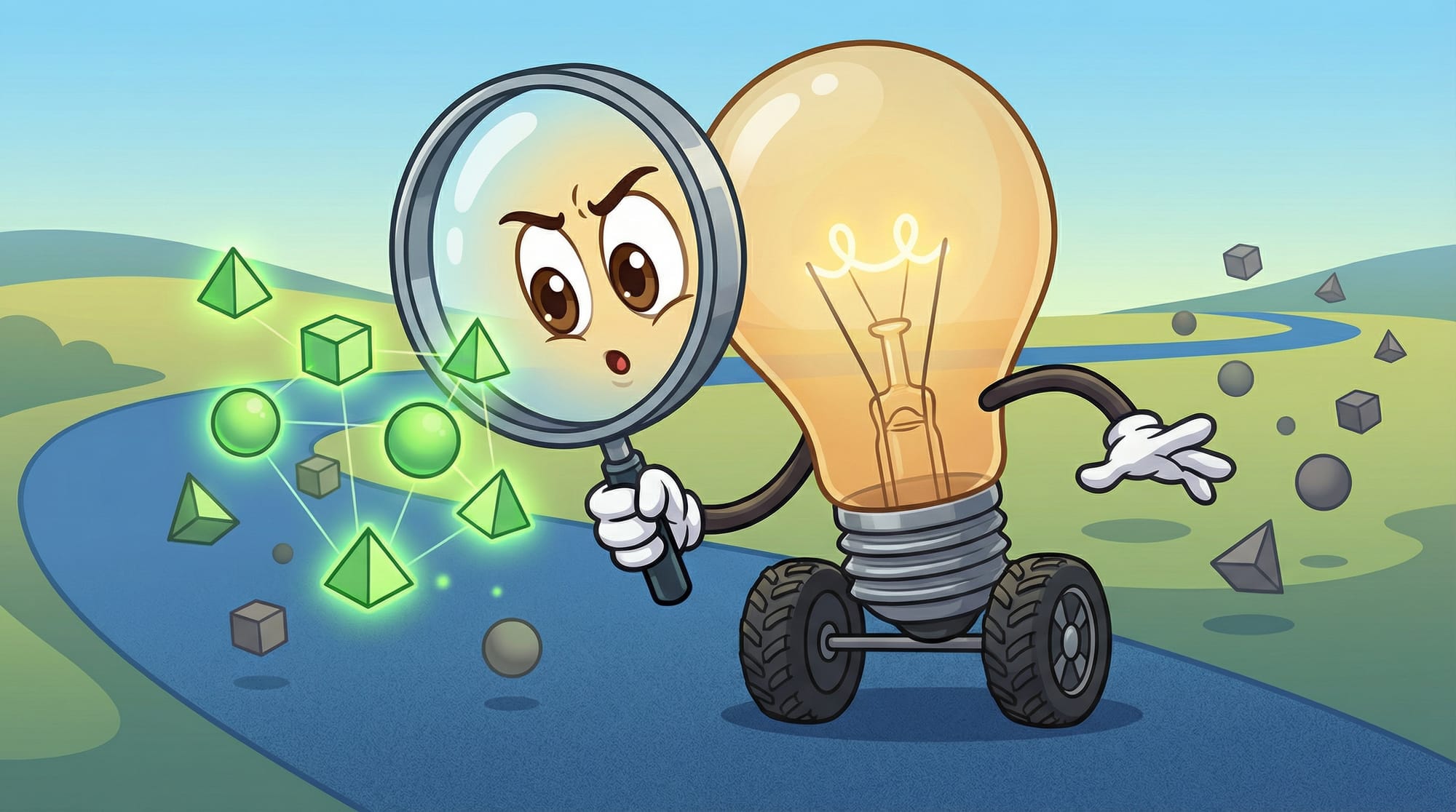
Here's where most small businesses go wrong with AI customer service: they focus on features instead of outcomes. A vendor will show you impressive demos with natural-sounding conversations, but none of that matters if your actual customers aren't getting helped.
After watching dozens of implementations succeed and fail, I've learned the only metrics worth tracking:
- **Resolution rate** — What percentage of conversations end with the customer's issue actually solved? Not transferred, not escalated, solved.
- **Cost per resolution** — Divide your total customer service costs by issues resolved. AI should lower this number significantly.
- **Repeat contact rate** — If customers keep coming back with the same problem, your AI isn't actually helping.
- **Customer satisfaction score** — Ask customers directly. A quick post-conversation rating tells you if the AI is helping or hurting.
- **Containment rate** — What percentage of issues does the AI handle completely without human intervention?
A large-scale study of over 5,000 support agents found that AI assistance increased issues resolved per hour by about 15%. But that number only matters if those issues are actually resolved—not just marked as 'handled.'
Why Most Small Businesses Get This Wrong
Here's the counterintuitive truth I promised earlier: businesses that resist AI chatbots because they want to preserve 'the human touch' often end up delivering worse human experiences than businesses that embrace AI.
The math is simple. You have limited staff hours. Every minute your team spends answering 'what are your hours?' or 'do you offer financing?' is a minute they can't spend on the complex problems that actually require human judgment and empathy.
Salesforce research found 77% of customers expect to interact with someone immediately when they contact a company. Meanwhile, 59% of customers want you to use their data to deliver personalized experiences. Those expectations are only possible at scale with AI handling the routine work.
The small businesses winning at customer service aren't replacing humans with AI. They're using AI to handle the predictable 60-70% of inquiries so their humans can focus on the 30-40% that actually need human creativity, empathy, and problem-solving.
When your best employee is drowning in routine questions, they can't provide the thoughtful service that builds loyalty. That's not preserving the human touch—that's burning it out.
How to Set Up AI Customer Service Without Losing the Human Touch
The right mix of AI and human support helps small businesses respond quickly, personalize interactions, and build better relationships. Here's the framework that works:
**Layer 1: Immediate Response (AI handles this)**
Every inquiry gets an instant acknowledgment. AI answers FAQs, provides order status, handles scheduling, and captures lead information. The customer never waits. According to HubSpot, 71% of customer support specialists agree AI tools can improve the overall experience—and this layer is why.
**Layer 2: Smart Escalation (AI decides, humans execute)**
AI recognizes when a conversation needs human judgment—complaints, complex requests, upset customers—and routes them to the right person with full context. The handoff should feel seamless to the customer.
**Layer 3: Human Excellence (your team's superpower)**
Your staff focuses exclusively on conversations that benefit from human empathy, creativity, and relationship-building. They're not tired from answering routine questions. They bring their best to every interaction that matters.
- Start by documenting your top 20 most common customer questions. These become your AI's first priority.
- Choose software that integrates with your existing tools—your calendar, your CRM, your ordering system.
- Set clear escalation rules: upset customers, requests over $X, or anything mentioning competitors should route to humans.
- Test with a small percentage of traffic before going live. Watch the conversations. Fix what breaks.
- Review weekly for the first month. Check resolution rates, read transcripts, adjust responses.
The goal isn't automation for its own sake. The goal is freeing your humans to do what only humans can do. If you're evaluating your AI strategy, this customer service layer is often the highest-impact starting point.
Where AI Customer Service Falls Apart
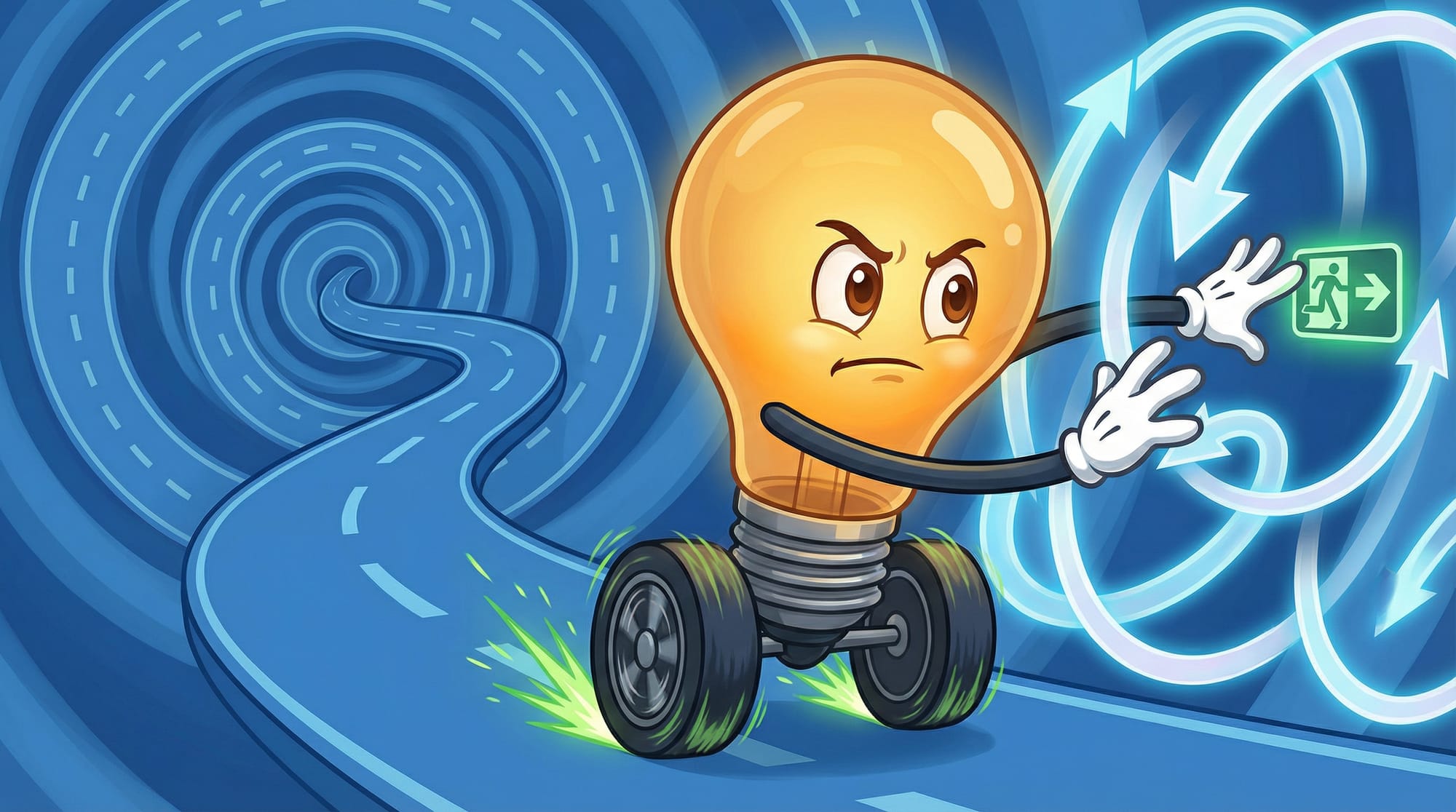
I need to be honest about the failure modes. I've seen too many small businesses burn money on AI chatbots that actively hurt their customer relationships.
**The infinite loop problem:** Customer asks a question the AI doesn't understand. AI asks for clarification. Customer rephrases. AI still doesn't understand. Customer gets more frustrated with each exchange. By the time they reach a human, they're furious—and they associate that frustration with your brand.
**The over-automation trap:** Some vendors push containment rates above all else. 'Our AI handles 90% of inquiries!' Sure, but if customers leave those conversations unresolved or annoyed, that 90% number is a vanity metric. Resolution rate matters more than containment rate.
**The stale knowledge base:** AI chatbots are only as good as the information they're trained on. If your hours changed, your pricing updated, or your policies shifted—and nobody updated the AI—it's confidently giving customers wrong information. That's worse than slow human service.
- **Set a frustration tripwire** — After 2-3 clarifying questions without resolution, automatically escalate to a human
- **Track containment AND satisfaction** — High containment with low satisfaction means your AI is annoying people, not helping them
- **Schedule monthly knowledge reviews** — Put it on your calendar. Outdated AI responses erode trust faster than slow responses
How Do You Know It's Working?
Here's your weekly checklist. If you can't answer 'yes' to most of these within 30 days of launch, something needs adjustment:
- Resolution rate is above 40% for AI-only conversations (higher is better, but 40% is the floor)
- Customer satisfaction scores haven't dropped since AI launch
- Your human team reports more time for complex issues, not more cleanup work
- Repeat contact rate is stable or declining (customers aren't coming back because AI gave wrong answers)
- After-hours leads are being captured and followed up within 24 hours
- Average response time is under 30 seconds for initial contact
- Escalation rate is between 20-50% (too low suggests over-automation, too high suggests poor AI training)
One pattern I've noticed: businesses that actively monitor transcripts for the first 60 days catch problems before they become patterns. Set aside 15 minutes every Friday to read 10 random AI conversations. You'll learn more in those 15 minutes than any dashboard can tell you.
Your First Week Action Plan
You've read this far. Here's exactly what to do before next Friday:
- **Monday: Count your current customer service hours.** Add up how many hours per week your team spends on customer inquiries. Include email, phone, chat, social media. This is your baseline.
- **Tuesday: List your top 20 questions.** Pull from email, voicemail, whatever records you have. If you're not sure, ask your team—they'll rattle them off in 10 minutes.
- **Wednesday: Calculate your cost per inquiry.** Take your monthly customer service labor cost (salary + benefits), divide by inquiries handled. For most small businesses, this is $5-15 per inquiry.
- **Thursday: Demo two AI chatbot platforms.** Don't commit yet. Just see what's out there. Look for: integration with your existing tools, transparent pricing, and easy customization.
- **Friday: Make a 90-day pilot decision.** If your cost per inquiry is above $8 and you're missing after-hours leads, the math probably works. Budget $100-300/month for a starter tier and commit to 90 days of testing.
For more on what specific tools actually work for small businesses, I've covered the practical side in my piece on AI phone answering systems—the same evaluation framework applies to chat-based tools.
Frequently Asked Questions
How much does AI customer service cost for small businesses?
Most small business AI chatbot customer service tools run $50-300 per month for starter tiers. Enterprise-grade platforms start around $500/month. The real cost calculation is comparing this to your current cost per inquiry—if you're spending $10+ per inquiry with humans handling routine questions, AI often pays for itself within 60 days.
Will AI customer service feel robotic to my customers?
Modern conversational AI has gotten remarkably good at natural language. Most customers can't tell the difference for routine questions. The key is smart escalation—making sure complex or emotional conversations get to humans quickly. The businesses that feel 'robotic' usually have poor escalation rules, not poor AI.
How long does it take to set up AI chatbot customer service?
Basic setup takes 2-4 hours for most platforms. Getting it working well takes 2-4 weeks of monitoring and adjustment. Expect to spend 30-60 minutes per week during the first month reviewing conversations and refining responses. After that, maintenance drops to 15-30 minutes weekly.
Can AI customer service handle multiple languages?
Most modern platforms support 20+ languages out of the box. The quality varies—test in your specific languages before committing. If you serve a multilingual customer base, this is actually where AI shines, since hiring bilingual staff is expensive and hard.
What happens when the AI can't answer a question?
Good platforms route to a human automatically, passing along the full conversation context. Great platforms learn from these escalations to improve over time. The worst platforms leave customers stuck in loops. Always test the escalation path before going live.


