


I've been watching this pattern for two years now. Business owner adopts ChatGPT. Productivity soars. Then three months later, they're confused—engagement is down, responses feel muted, and something's just... off.
The numbers finally explain what I've been seeing. 52% of consumers report reduced engagement with content they believe is AI-generated. Not suspected. Believed. They can tell. And when they can tell, they interpret it as lazy or impersonal—even if you spent hours prompting and editing.
Here's the part that surprised me: 65.5% of business owners already worry that AI will make their business feel less personal to customers. They're right to worry. But they're worrying about the wrong thing. The problem isn't AI. It's how they're using it. I'll show you the difference in a moment—it's counterintuitive, but it's the reason some businesses are getting better results while others are watching their authenticity erode.
Why Did Your Engagement Drop Last Quarter?
46% of small business owners say marketing content is where AI could help most. So everyone jumped in. The result? A flood of content that sounds the same.
Consumers grew fatigued. They started spotting the patterns—the same sentence structures, the same transitions, the same vaguely helpful but oddly generic tone. Now they can identify AI content almost instantly.
This isn't a minor preference shift. When someone reads your email and thinks "AI wrote this," they're not just judging the content. They're judging whether you actually care about them. 83% of consumers would still prefer speaking to a real person rather than an AI. That preference extends to reading your content too.
Meanwhile, 40% of consumers say brands "don't get them"—up from 25% the year before. All that AI personalization? It's making things worse, not better.
The Voice Amplifier Approach
The businesses winning with AI content aren't avoiding it. They're using what I call the Voice Amplifier approach: AI handles structure, humans handle soul.
The hybrid model is simple: AI drafts, then humans approve. AI should be treated as an assistant, not a replacement. This delivers quality and speed without sacrificing authenticity.
But here's what makes it actually work—and this is the counterintuitive part I mentioned earlier. Generic AI content happens when prompts are too generic. Most people assume AI can generate great copy without detailed instruction. That's backwards.
- **Create an AI house style document.** Outline your tone, vocabulary, audience, and brand identity. This single document saves hours of editing and dramatically improves output consistency.
- **Feed AI your actual voice samples.** Give it examples of content you've written that performed well. Past emails, social posts, anything that sounds like you.
- **Use AI for structure, not personality.** Let it organize your thoughts, suggest frameworks, draft outlines. Then inject your specific experiences and opinions.
- **Always add something AI couldn't know.** A customer story. A lesson you learned the hard way. A specific detail from your industry.
Businesses adopting this approach often free up 20-30% more productive time for customer service, sales, and creative work. The time savings are real. But only if you protect what makes you different.
What Most Businesses Get Wrong About AI Content
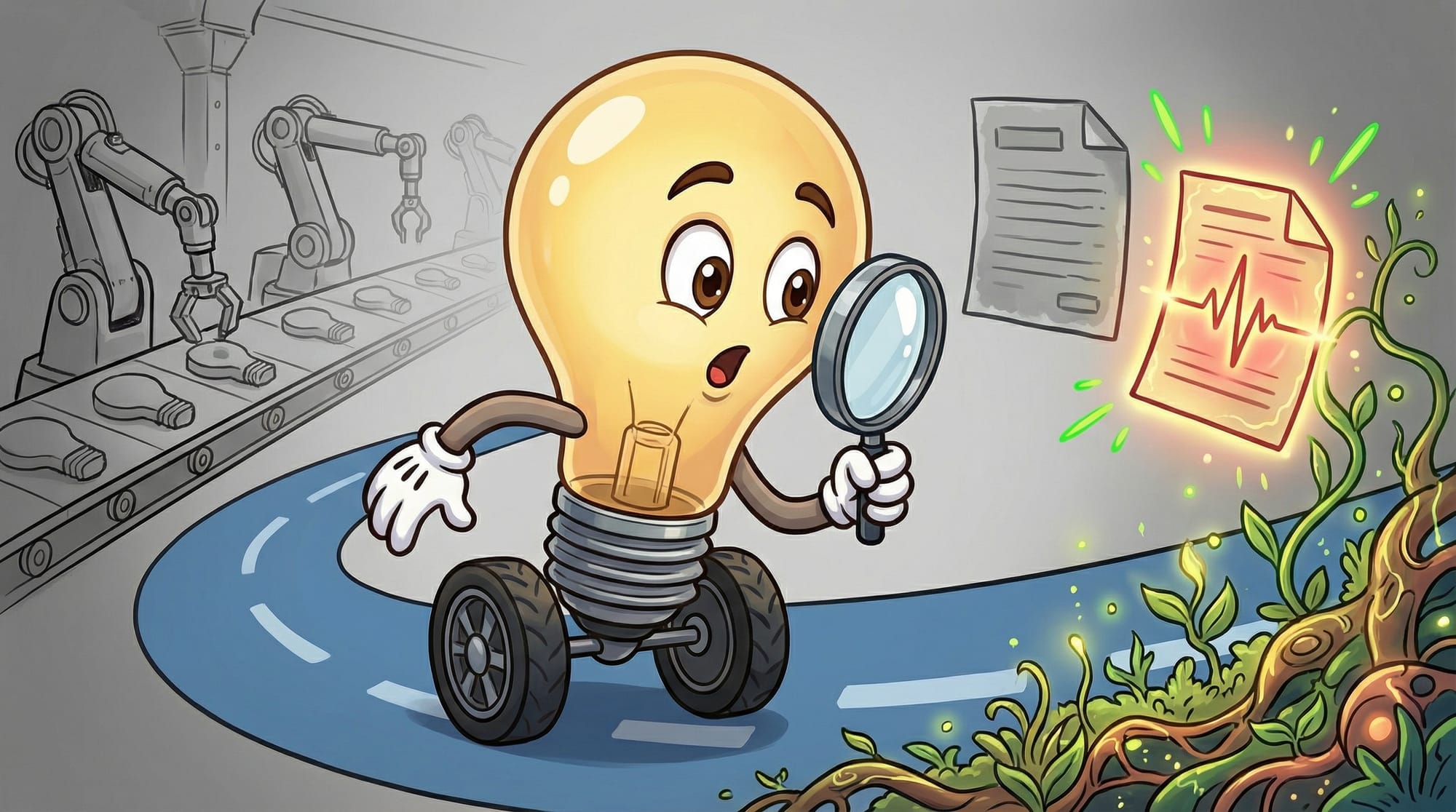
Here's what everyone assumes: throw a topic at ChatGPT, clean up the grammar, and publish. That's not content creation. That's content manufacturing. Your customers can smell the difference.
Humanized AI content captures your voice, reflects your audience's emotions, and delivers meaning—not just information. It's not AI copy sprinkled with contractions and emojis. That's a band-aid, not a solution.
92% of marketing professionals now use AI in their day-to-day workflows. It's moved from novelty to workhorse. But when everyone uses the same workhorse the same way, everyone's content starts looking identical.
The 65.5% of owners worried about losing authenticity? They're right to worry—if they're skipping the human layer. They're wrong to worry if they're using AI as an amplifier.
- **Generic prompts** = generic output that sounds like everyone else
- **No style guide** = inconsistent voice that confuses your audience
- **AI replacement mindset** = content that reads as impersonal and lazy
- **Human amplifier mindset** = content that's faster to produce AND sounds like you
When Does This Approach Fall Apart?
I've seen businesses try the hybrid model and still fail. It's usually one of three mistakes.
First: skipping the human review step when things get busy. "Just this once" turns into "most of the time." Then your audience notices the drift. One client told me their email open rates dropped 15% over two months before they connected it to their rushed AI workflow.
Second: no style guide means no consistency. Every piece sounds slightly different because every prompt was slightly different. Your brand voice fractures.
Third: forgetting that content is communication, not just information delivery. Your customers aren't looking for facts. They're looking for connection. AI can give them facts all day. Only you can give them connection.
How Do You Know Your Content Still Sounds Like You?
- **The read-aloud test.** Read your content out loud. If you stumble over phrases or think "I'd never say it that way," rewrite those sections.
- **Customer feedback signals.** Watch for replies that feel more conversational. Customers respond differently to content that feels human.
- **Engagement timing.** AI-sounding content gets faster skims. Human content gets longer reads. Check your time-on-page metrics.
- **The forward test.** Would a customer forward this to a colleague? Generic content doesn't get shared. Personal insights do.
- **Direct questions.** Ask a handful of customers: "Does this sound like something I'd write?" Their hesitation tells you everything.
Your Monday Morning Content Audit
Here's exactly how to fix your AI content workflow this week.
- **Pull your last 5 pieces of AI-assisted content.** Read them back-to-back. Note every phrase that sounds generic or could appear on any competitor's site.
- **Create your house style document.** Spend 30-45 minutes documenting your tone (casual? authoritative? irreverent?), words you always use, words you never use, and 3 example sentences that capture your voice.
- **Rewrite one piece using the Voice Amplifier approach.** Feed AI your house style, let it draft, then spend 15-20 minutes adding your specific experiences and insights. If you can't add at least 2 personal details, the topic isn't right for you.
- **Set a review threshold.** No AI content publishes without human review. If you're publishing more than 3 pieces per week, budget 10 minutes minimum per piece for the human pass.
- **Track engagement for 2 weeks.** Compare open rates, time on page, and response rates between your old approach and the amplifier approach. Most businesses see a 10-20% engagement lift within the first month.
What This Means for Your Content Strategy
- **52% of consumers disengage from suspected AI content.** This isn't preference—it's a trust problem that directly impacts your conversion rates.
- **The hybrid model works.** AI drafts, humans approve. This preserves authenticity while capturing the speed benefits that 46% of business owners want from AI.
- **Your house style document is non-negotiable.** Detailed tone and vocabulary guidelines save editing hours and prevent the generic output trap.
- **Connection beats information.** Your customers aren't looking for more content. They're looking for content that sounds like it came from someone who actually understands them.
- **The time savings are real—20-30% productivity gains—but only if you protect what makes your voice distinctive.**
The businesses thriving with AI content aren't the ones who use it most. They're the ones who use it most strategically—amplifying their voice instead of replacing it. For a deeper look at AI tools that actually help with content production, check out my breakdown on which AI writing tools actually ship content.
Frequently Asked Questions
Can customers really tell the difference between AI and human content?
Yes. Consumers have grown fatigued by AI-generated content and can spot it almost instantly. They interpret it as lazy or impersonal. 52% report reduced engagement with content they believe is AI-generated. The patterns AI produces—similar sentence structures, generic transitions, vaguely helpful tone—have become recognizable.
Should I stop using AI for content entirely?
No. The answer isn't avoiding AI—it's using it differently. The hybrid model (AI drafts, humans approve) delivers speed without sacrificing authenticity. Businesses using this approach free up 20-30% more productive time while keeping their voice intact. The key is detailed prompts and always adding human insight.
How long should my AI house style document be?
Detailed enough that someone unfamiliar with your brand could understand your voice. Include your tone (casual, authoritative, irreverent), vocabulary you use and avoid, your target audience specifics, and 3-5 example sentences that capture how you actually write. Most effective documents are 1-2 pages. If it took less than 15 minutes to write, it needs more detail.
What's the minimum human review time per piece?
Budget at least 10 minutes per piece for meaningful review. This includes reading aloud, checking for phrases you'd never naturally say, and adding at least one personal detail or specific insight AI couldn't know. Rushing this step defeats the purpose—it's where authenticity comes from.
How quickly will I see results from changing my approach?
Most businesses see engagement lifts of 10-20% within the first month of switching to the Voice Amplifier approach. Track open rates, time on page, and response rates before and after. The difference becomes clear within 2-3 weeks of consistent application.
Sources
- Stacker - 1 in 4 business owners say AI is costing them clients
- Digital Journal - The AI myths business owners must ditch in 2026
- Smythos - The AI Content Trust Gap
- AdminD Agency - When AI Loses Trust
- Entrepreneur - AI Could Be Driving Customers Away
For more insights like this, explore our AI content creation guide.
